36,000-year-old burial site in south China sheds light on origins of modern humans in East Asia

Photo shows the place where the Jidao Paleolithic site group is located in Fusui county, Chongzuo city, south China's Guangxi Zhuang Autonomous Region. (Photo courtesy of the integrated media center of Fusui county)
The Jidao Paleolithic site group in Fusui county, Chongzuo city, south China's Guangxi Zhuang Autonomous Region, is the earliest known cluster of burial sites in East and Southeast Asia, dating back about 36,000 years. It provides key evidence for understanding the origins, migration patterns and social structures of modern humans in East Asia.
Identified during a survey in 2019, the site group was subsequently excavated by a joint team that included researchers from the Institute of Vertebrate Paleontology and Paleoanthropology of the Chinese Academy of Sciences. More than 1,200 human bone and tooth fossils have been unearthed so far, representing over 20 individuals. The site group has yielded more human fossils than any other known site in China and is among the richest late Paleolithic sites in the world in terms of human fossil finds.
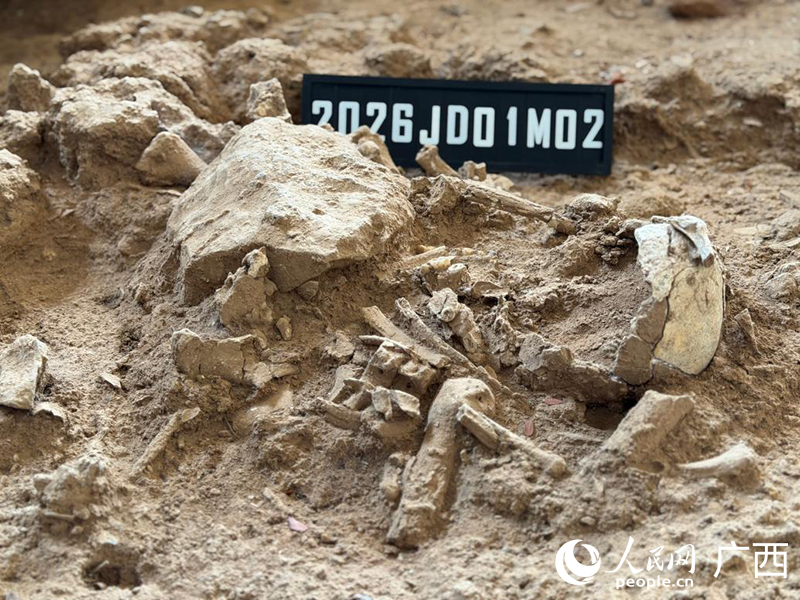
The M02 tomb of the Jidao Paleolithic site group is relatively well preserved in Fusui county, Chongzuo city, south China's Guangxi Zhuang Autonomous Region. (People's Daily Online/Shen Quanchi)
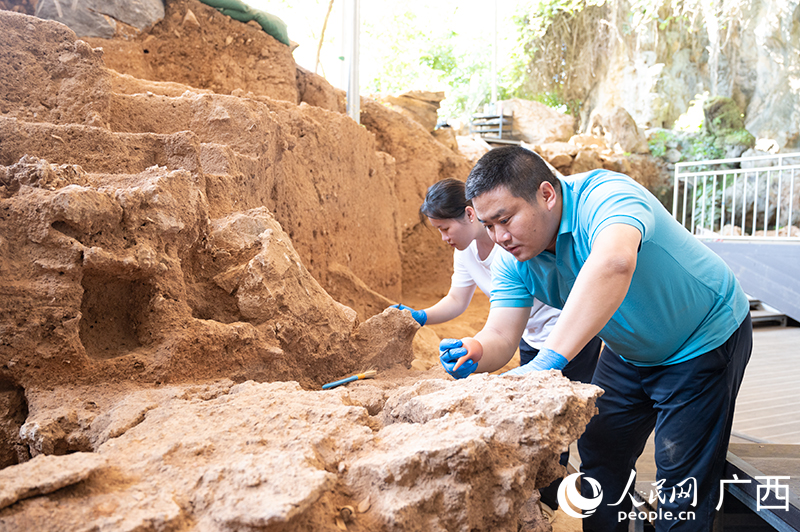
Archaeologists work at the excavation site of the Jidao Paleolithic site group in Fusui county, Chongzuo city, south China's Guangxi Zhuang Autonomous Region. (People's Daily Online/Shen Quanchi)
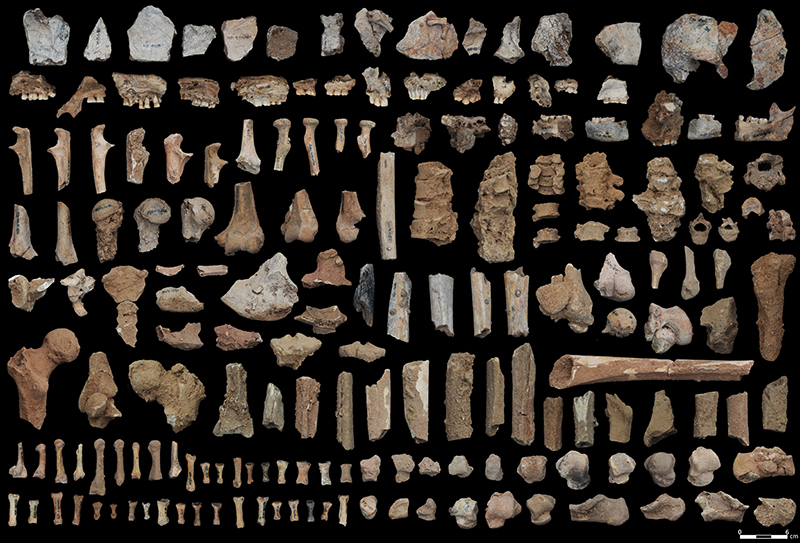
Photo shows fossils unearthed from the Jidao Paleolithic site group in Fusui county, Chongzuo city, south China's Guangxi Zhuang Autonomous Region. (Photo courtesy of the Institute of Vertebrate Paleontology and Paleoanthropology of the Chinese Academy of Sciences)
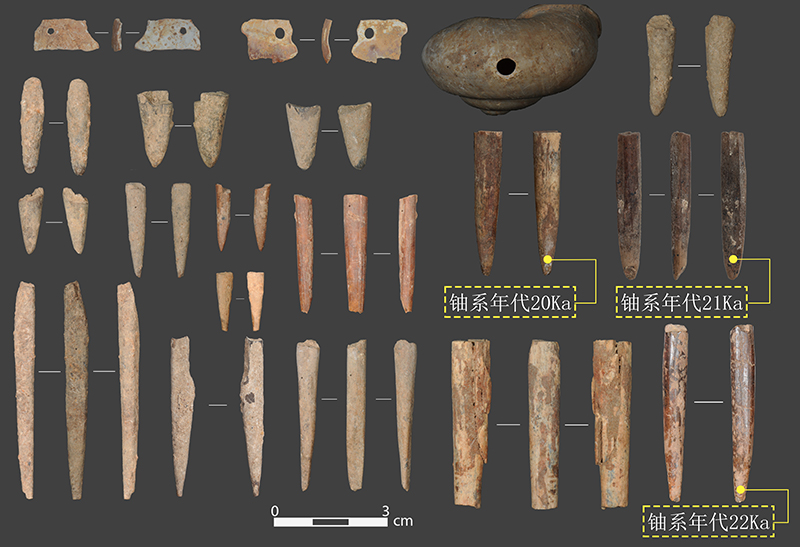
Photo shows fossils unearthed from the Jidao Paleolithic site group in Fusui county, Chongzuo city, south China's Guangxi Zhuang Autonomous Region. (Photo courtesy of the Institute of Vertebrate Paleontology and Paleoanthropology of the Chinese Academy of Sciences)

 Follow Us
 Scan the QR Code
