Tales of Cities | S China's Chaoshan, fresh flavors awaken the senses, drums awaken the soul
In the early morning in Chaoshan, south China's Guangdong Province, the sea still holds a trace of the night's glow, while along the horizon a line of white egrets cuts across the sky. Fishing boats glide quietly back to shore, the day's catch spread out on the docks, silvery scales flashing. People bend to sort the seafood, hands moving briskly. In the salty sea breeze, songs rise from groups of elders gathered together, laughing as they call out to passersby, "Come, sing with us!"
Turning into the streets and alleys, one often sees incense altars inside shops. People clasp their hands, bow once, then step straight into the rhythm of work. Steamers of rice noodle rolls are lifted, clouds of white vapor billowing as rice batter sizzles on hot iron plates. Diners cradle steaming bowls, standing by the roadside and sighing with genuine pleasure, "So good!"
For Chaoshan people, a day often begins with breakfast. Bowls of hot Guo Zhi, a Chaoshan-style rice noodle soup, bubble with steam, while ladles of pork blood soup warm early risers' stomachs. Radish cakes, barbecue pork buns, red peach-shaped rice cakes, and countless other snacks fill the streets, forming a breakfast landscape all its own. Breakfast here is not merely about filling the belly; it is a daily ritual that marks the start of life's rhythm.
"People come out every morning to exercise, then find a place for morning tea and breakfast. Over time, it becomes a habit," said Zheng Yaoping, a chef at a breakfast shop. Among his customers are young people who eat quickly before rushing to work, and longtime neighbors who sit unhurriedly after grocery shopping, savoring a plate of rice noodle rolls. Fast and slow coexist here in easy harmony.
This breakfast culture is rooted in Chaoshan cuisine's relentless pursuit of freshness and made-to-order cooking. Frequent purchasing and same-day preparation turn street-side breakfast stalls into both places to recharge and neighborhood gathering spots, quietly sustaining the city's most basic and steady daily cadence.
Step into the kitchen, and the precise coordination of ingredients, heat, and seasoning unfolds methodically amid rising flames. Chaoshan cuisine is known for its light, fresh elegance, emphasizing respect for the natural flavor of ingredients, with restrained seasoning and meticulous technique. Whether beef hot pot, fish soup, or clay-pot dishes, everything rests on strict demands for freshness and careful control of heat.
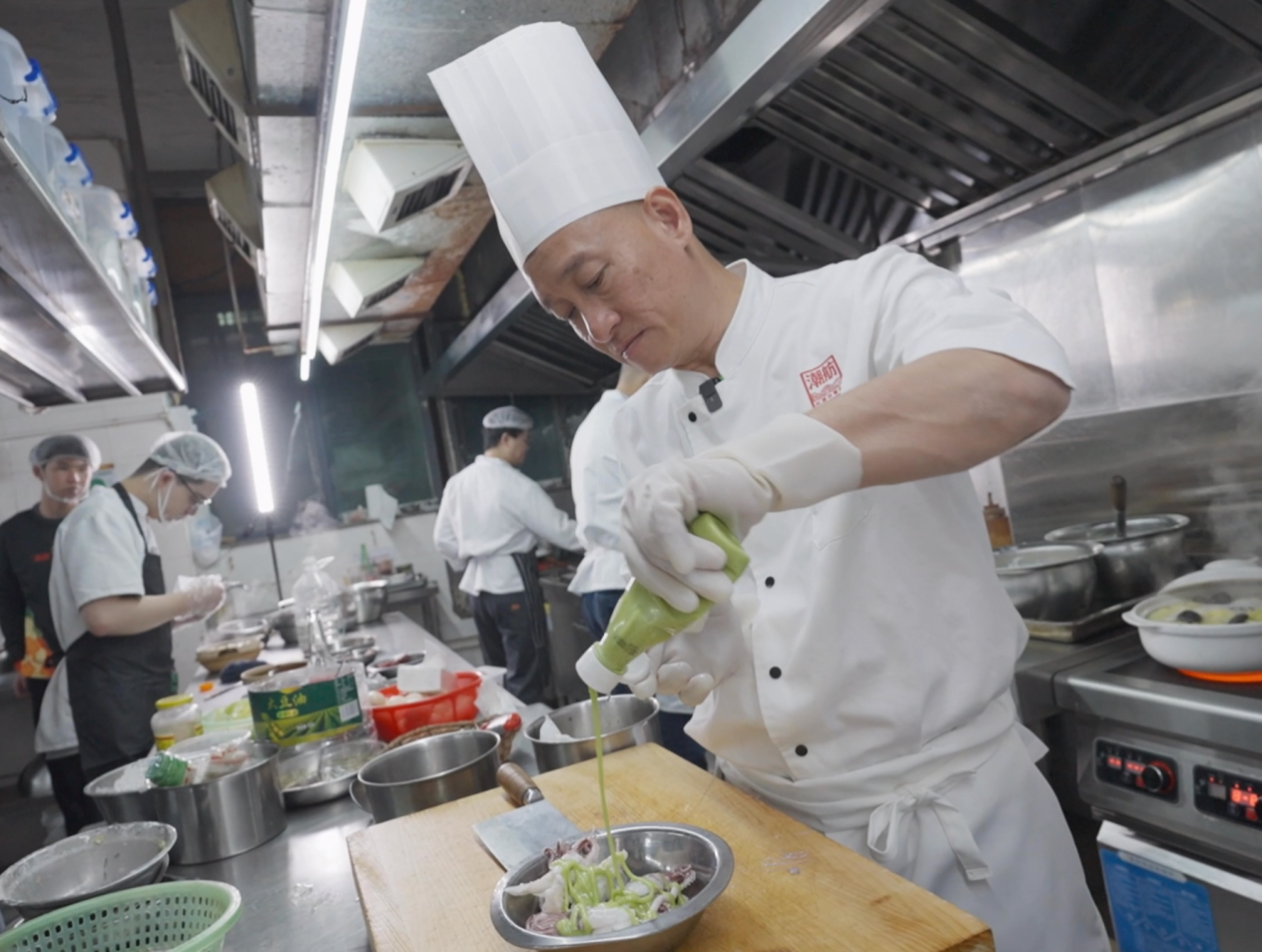
Chen Zhiyi, head of Chaofang Yingge Banquet Restaurant, prepares Chaoshan cuisine in Shantou, south China's Guangdong Province. (People's Daily Online/Liu Ning)
"The defining feature of Chaoshan cuisine is that ingredients must be fresh, light, yet deeply flavorful. Even with good dishes, we're always thinking about how to make them better," said Chen Zhiyi, head of Chaofang Yingge Banquet Restaurant. Light does not mean bland; it is the outcome of accumulated experience, patience, and judgment. Day after day, flavors and heat are fine-tuned so ingredients can shine at their best.
As night falls, restaurants glow with light, the clatter of bowls and plates mingling with laughter and conversation. Dish after dish arrives at the table, carrying not only fresh, delicious flavors, but also the trust and warmth flowing between people.
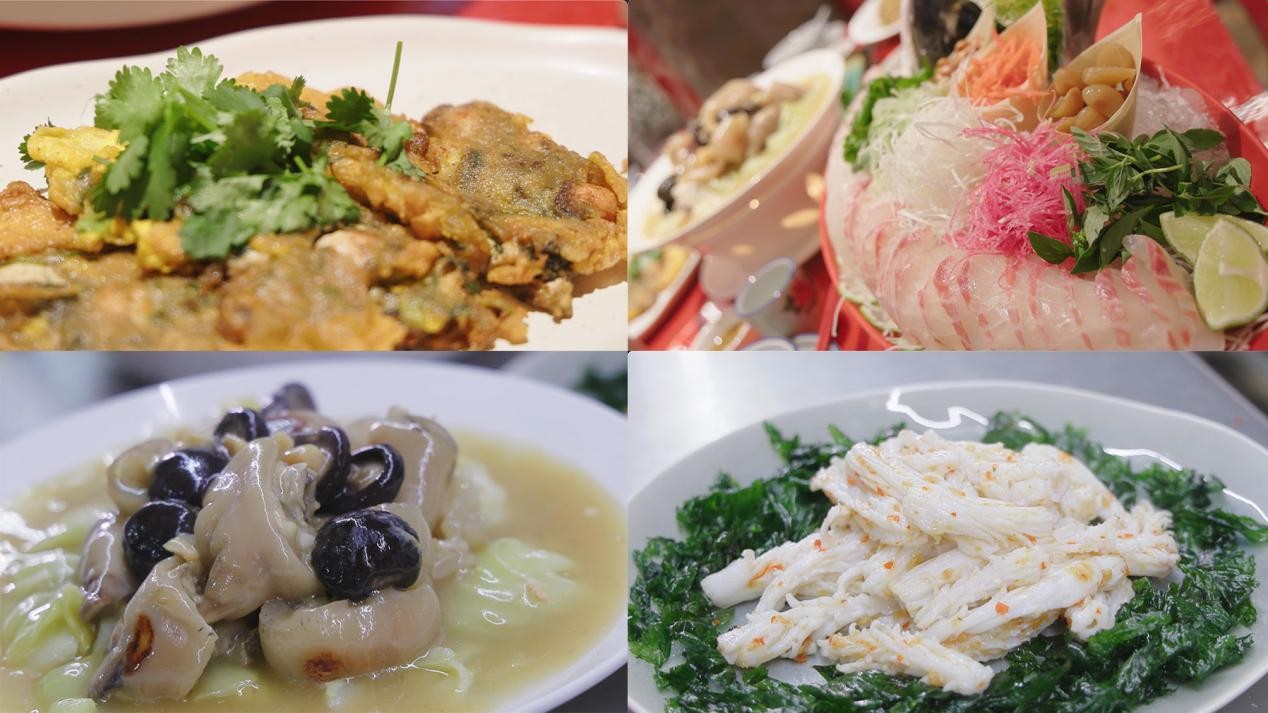
Chaoshan cuisine. (People's Daily Online/Liu Ning)
Then the drums begin, and Yingge dance, or "dance to the hero's song," takes the stage. Powerful steps and precise rhythms reveal the enduring vitality of this ancient folk tradition. Popular across the Chaoshan region, Yingge dance blends dance, opera, and martial arts. It was added to the list of China's national intangible cultural heritage in 2006. Typically performed during festivals and ritual occasions, it symbolizes celebration and blessings, and forms an essential part of local folk culture.
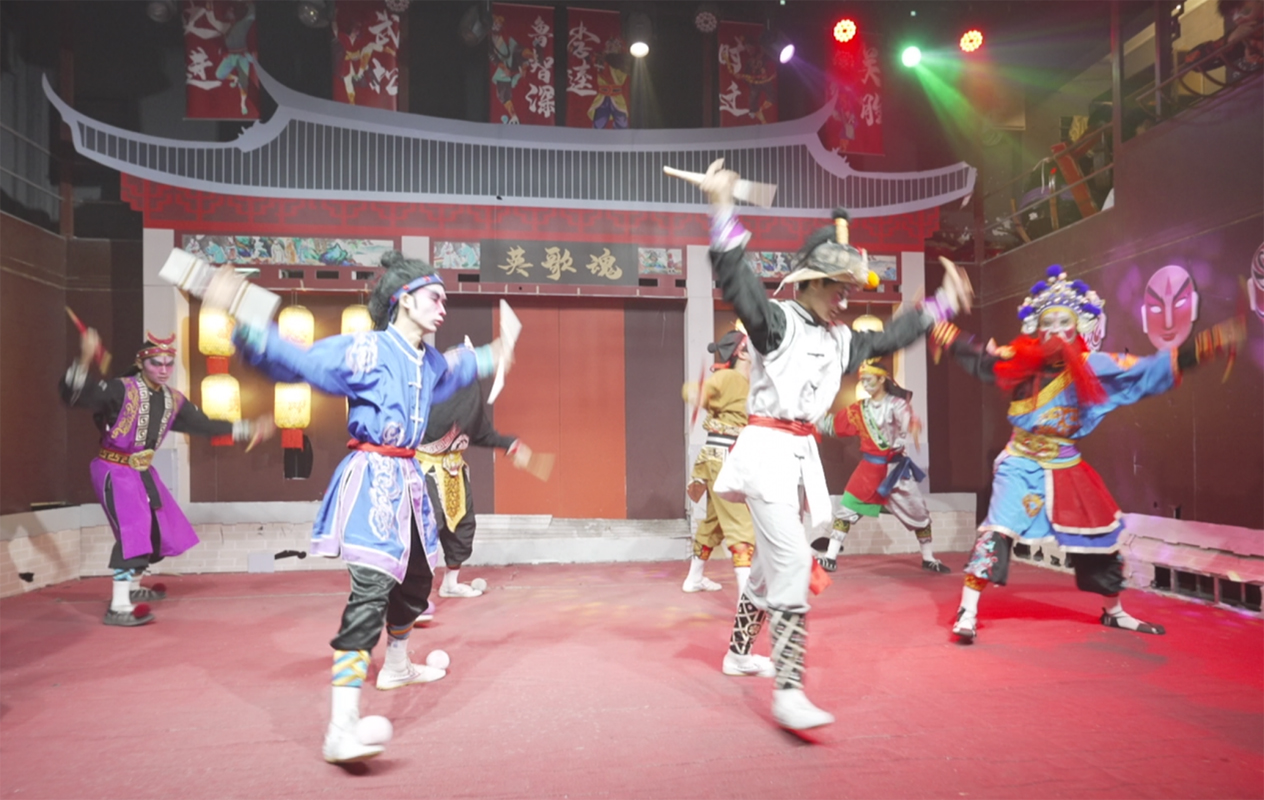
The Fucheng Yingge Dance Troupe performs at the Ancient City Experience Hall in Chaozhou, south China's Guangdong Province. (People's Daily Online/Liu Ning)
To Chen Weihao, a member of the Shantou Youth Yingge Troupe, Yingge is more than performance; it embodies the Chaoshan people's spirit of unity. Drawn together by shared purpose, dancers move as one to the drumbeat. What emerges is the Chaoshan way of life, valuing trust and integrity, and watching out for one another.
In recent years, more women have joined Yingge troupes, bringing richer layers of expression to the tradition. Their perseverance opens new possibilities for Yingge dance and makes its future more inclusive and expansive.
As the performance begins, the sweeping rhythms and synchronized movements immediately draw the audience in. This is not merely a dance; it is a shared memory and a spiritual symbol through which Chaoshan people "express resolve through movement."
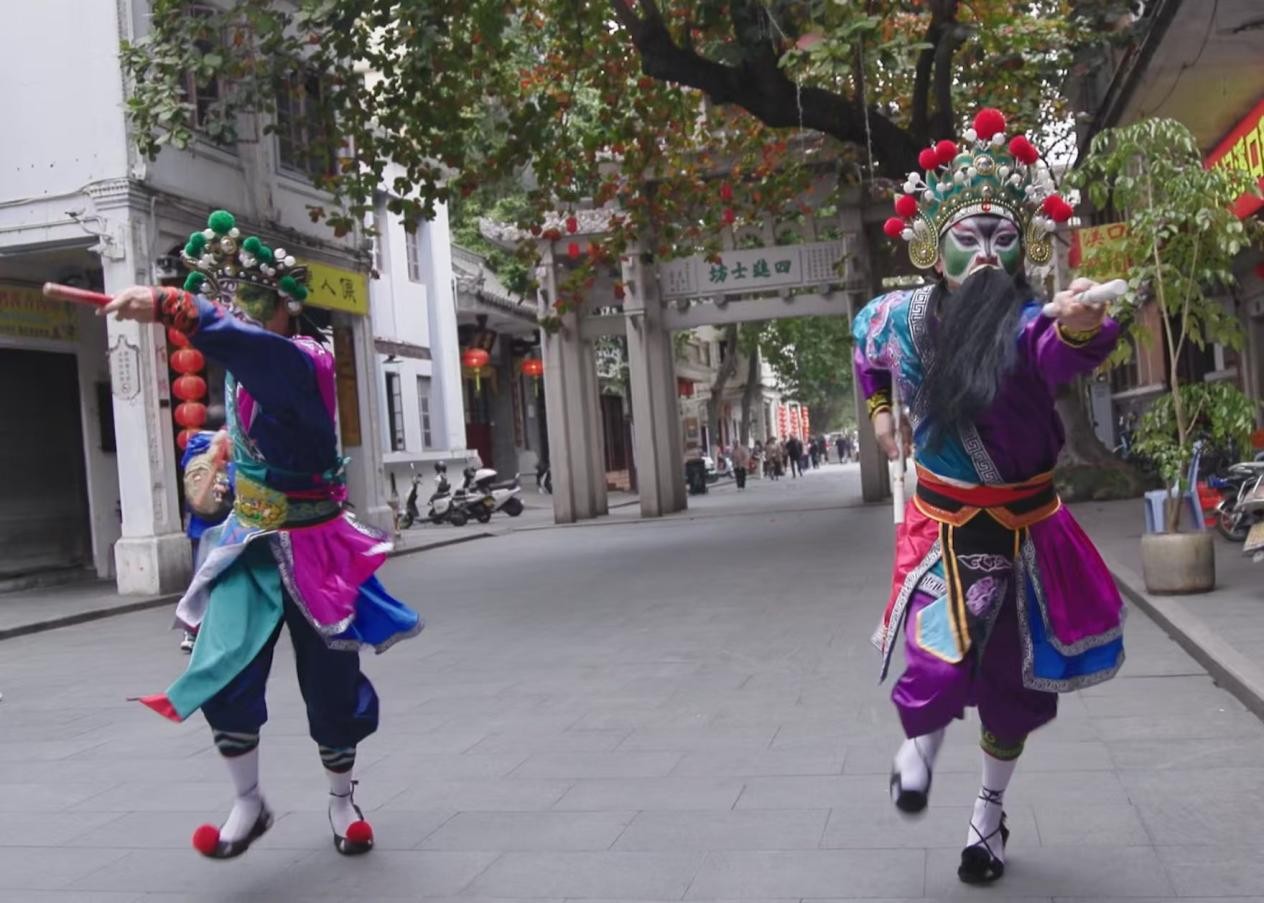
Members of the Fucheng Yingge Dance Troupe train in Chaozhou, south China's Guangdong Province. (People's Daily OnlineLiu Ning)
In this coastal land, an open, seaward-looking spirit is woven into a life grounded in tradition and steadfast practice. From steaming plates of home cooking to the thunderous echoes of Yingge performances, Chaoshan integrates tradition into everyday life, presenting to the world both the deep roots and contemporary vitality of Chinese culture. Every familiar flavor and every stirring drumbeat bears witness to the Chaoshan character, built on trust, integrity, and cooperation, continuing to grow amid the tides of the times.
The tide never rests, and everyday life is forever renewed. The story of Chaoshan goes on, carried forward by daily perseverance and enduring love.

 Follow Us
 Scan the QR Code
