





- BRNN
- BRI News
- BRNN News
- Database
Official Documents Polices and Regulations
Inter-government Documents International Cooperation BRI Countries
Business Guide Economic Data BRI Data
Trade
Investment Projects Latest projects
Cases - Content Pool
Three generations of one family have dedicated themselves to guarding one of the world's great ecological treasures.
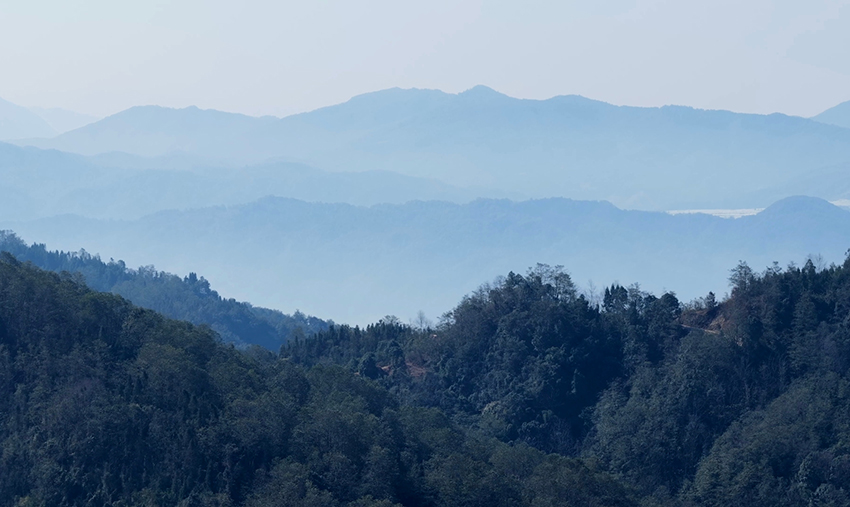
Gao Changxing's family has lived at the foot of the Gaoligong Mountains in southwest China's Yunnan Province for generations, their lives closely intertwined with this remarkable mountain range.
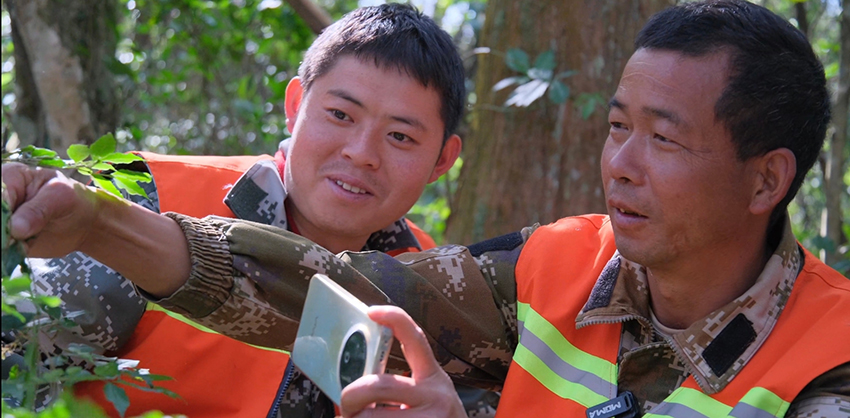
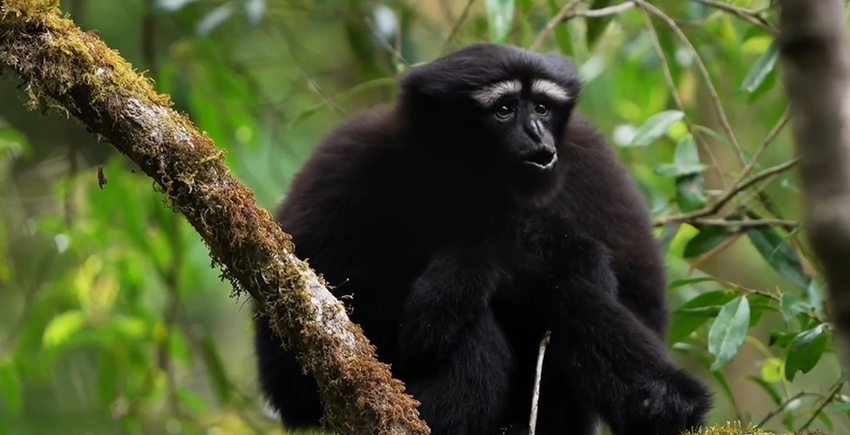
Stretching more than 600 kilometers from north to south, the mountains span three of the world's 34 biodiversity hotspots. The range is home to roughly 17 percent of China's higher plants, about 30 percent of its mammals, and more than 35 percent of its birds — earning it the titles of "sanctuary for flora and fauna" and "the world's gene bank for species."
"Back in the 1960s, a forest management station was established here. My grandfather, Gao Dengxiang, was among the first to volunteer as a forest ranger, taking on a patrol area of about 15,000 mu (1,000 hectares)," Gao Changxing recounted.
Gao Dengxiang did far more than patrol for illegal logging and fire hazards. He traveled to neighboring villages to learn seedling cultivation techniques for Taiwania flousiana and went on to raise more than 600,000 seedlings, eventually establishing over 2,000 mu of Taiwania and Chinese white pine forests.
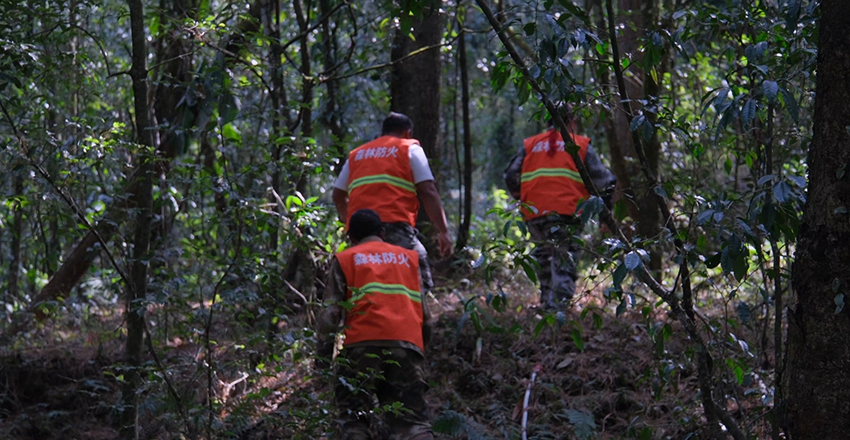
His dedication earned him honorary titles such as "outstanding individual" and "exemplary individual who leads efforts in afforestation" from Yunnan Province, and he remained at his post well into his 80s.
"My grandfather's commitment inspired my father," Gao Changxing said. In 1997, his father, Gao Mingrong, turned down the chance to earn more money away from home and joined the ranger corps instead.
When the Tengchong branch of the Gaoligong Mountain Nature Reserve (GNNR) introduced stricter management standards for national key non-commercial forest protection in 2005, the rangers' responsibilities grew heavier. Forest fire prevention, curbing poaching and illegal logging, and investigating unlicensed sand and mineral extraction all became central to safeguarding ecological security. Gao Mingrong has stood watch for decades, with not a single major incident of resource destruction reported in his jurisdiction.
In early 2007, Gao Changxing became a forest ranger at the Jietou Management and Protection Station under the Tengchong branch of the Baoshan Management and Protection Bureau of the GNNR. His patrol area covers more than 12,000 mu, and he has been on duty for nearly two decades.
In recent years, authorities at all levels in Yunnan Province have taken coordinated steps to strengthen biodiversity protection. Wildlife corridors have been built to reduce habitat fragmentation, monitoring and research enhanced, and rescue efforts for species with extremely small populations intensified. Community co-management models have also been explored.
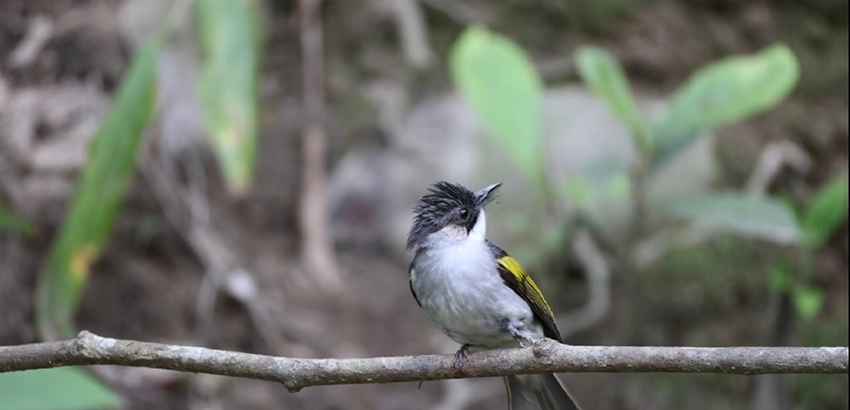
These efforts are delivering tangible results. Forest coverage in the Gaoligong Mountains has risen from 82.3 percent before the nature reserve was established to 93.7 percent today. Wildlife habitats have continued to expand, and animal populations are steadily increasing.
Today, more than 2,800 forest rangers like Gao Changxing continue to guard the Gaoligong Mountains.

Tel:86-10-65363107, 86-10-65368220, 86-10-65363106
 Scan the QR Code
 Follow Us