





- BRNN
- BRI News
- BRNN News
- Database
Official Documents Polices and Regulations
Inter-government Documents International Cooperation BRI Countries
Business Guide Economic Data BRI Data
Trade
Investment Projects Latest projects
Cases - Content Pool
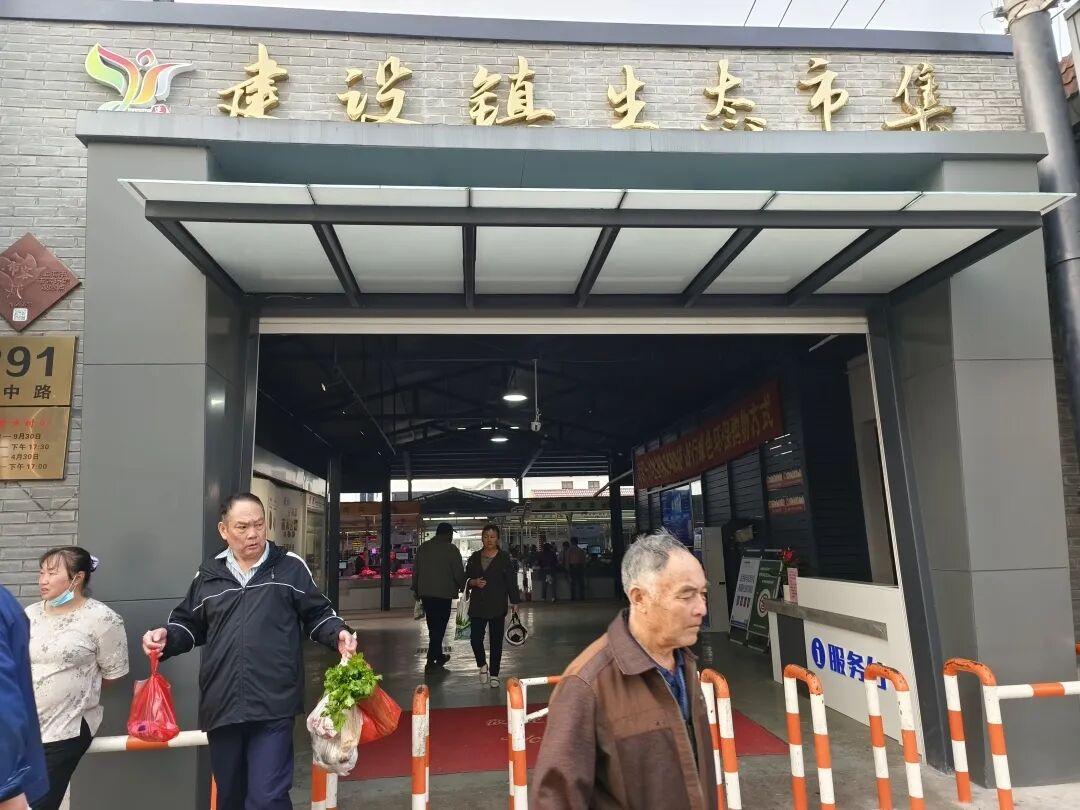
Photo shows the "ecological market" in Jianshe township, Chongming district, Shanghai.
On summer mornings, an "ecological market" in Jianshe township, located in Shanghai's Chongming district, comes alive with lively activity. Shoppers gather around the tofu stall, baskets of fresh eggplants line the walkways, and homegrown baby potatoes still carry the earthly scent of the fields.
Wei Saidi, a 65-year-old local resident, stepped into the market carrying a cloth bag and was greeted by a refreshing flow of cool air.
"Shopping here is such a delight. It's bright and airy the second you walk in," she remarked.
As a longtime resident of Jianshe township, Wei recalls how unpleasant the market used to be in summer. It was stuffy, and the floors around the seafood and meat sections were often damp and sticky. Today, a cool breeze flows through the aisles. Different types of produce are neatly arranged in separate sections, and the floors remain dry and clean, making shopping a far more pleasant experience.
"The coolness here doesn't come from air conditioning," said Zhang Shida, manager of the market, pointing toward the roof.
The market's roof has been raised significantly, and gaps have been deliberately left between the roof and the surrounding walls, creating what Zhang calls "breathing openings."
"Hot air naturally rises," he explained. "The old roof was too low, so heat and dampness accumulated right above people's heads. After the renovation, the higher ceiling gives hot air more space to rise before it is expelled through the upper vents. At the same time, fresh air continuously enters through the lower doorways and corridors, creating natural ventilation."
The roof is also fitted with environmentally friendly insulating materials that reduce heat from direct sunlight. Combined with the ventilation system, the design keeps the market noticeably cooler.
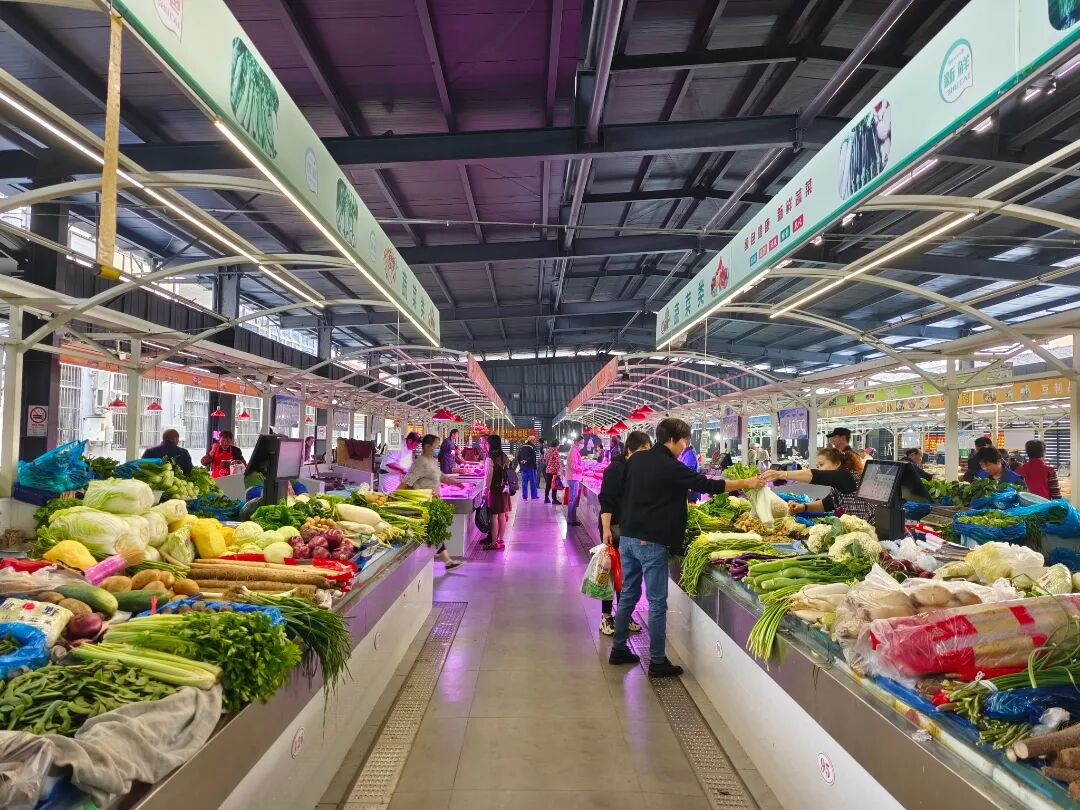
Photo shows upgraded stalls in the market.
Since 2001, Chongming district has been committed to building itself into an ecological island. Ecology on Chongming is not only reflected in its wetlands, forests, and farmlands; it also shapes the way a neighborhood wet market operates.
"A wet market should have the warmth and liveliness of everyday life," Zhang said. "But that doesn't mean it has to be dirty or chaotic."
Beginning in 2019, Chongming district launched a program to build "ecological markets," seeking to improve shopping environments by working with nature and adopting more resource-efficient and low-carbon solutions.
Walking through the market in Jianshe township, the ecological design is evident everywhere. Natural sunlight streams through the corridors and over the stalls, while energy-efficient lighting is used only where additional illumination is needed. The floors have been paved with more permeable bricks, and water-saving faucets have been installed beside the stalls.
At the seafood section, wastewater from cleaning flows into drainage channels before entering a separate rainwater and sewage system, greatly reducing standing water and humidity in the walkways. After the market closes, fruit and vegetable waste and other kitchen refuse are sorted and promptly removed, allowing fish scales, vegetable leaves, and packaging materials to be handled separately and unpleasant odors to dissipate quickly.
Shoppers are provided with biodegradable shopping bags, while systems for testing pesticide residues, disclosing information, and tracing the origin of meat and vegetables have all been incorporated into daily management as part of the market's ecological transformation.
The market's "ecological" character emerges through these countless details: a little less waste, a little less pollution, and a great deal more freshness and trust in Chongming's local produce.
Vegetable vendor Ye Shilan has lived in Chongming for 41 years after moving from her hometown in Anhui province in east China. In her early years in Chongming, she worked at a local textile factory. As Chongming's ecological-island strategy deepened, many industrial enterprises either closed or transformed, and the district increasingly shifted its focus toward green agriculture and eco-tourism.
Ye's life changed along with the district. Her husband attended a municipal training program on vegetable cultivation, and she began learning farming techniques in the fields herself. More than 20 years later, she is still growing and selling vegetables.
The clean water, fertile soil, and fresh air in Chongming give her confidence in the vegetables she grows and sells.
The market renovation greatly lightened Ye's workload. Before the upgrade, pooled water mixed with discarded leaves and plastic litter, which made post-market cleanup a tough chore. Today, all wastewater flows into drainage troughs. Rotten greens go straight into bins under the counter, so she can tidy up her stall in no time. In summer, cool air drifts down the aisles. Sellers stay comfortable, and produce does not wilt easily.
Jianshe township has become one of Chongming's leading destinations for rural tourism, hosting roughly a quarter of all the district's B&B hotels. Chongming's well-preserved environment has also enhanced the reputation of its agricultural products.
"Weekends bring crowds of tourists and push up our vegetable sales," Ye remarked. "Thanks to the market's solid reputation, we growers and vendors can make extra income."
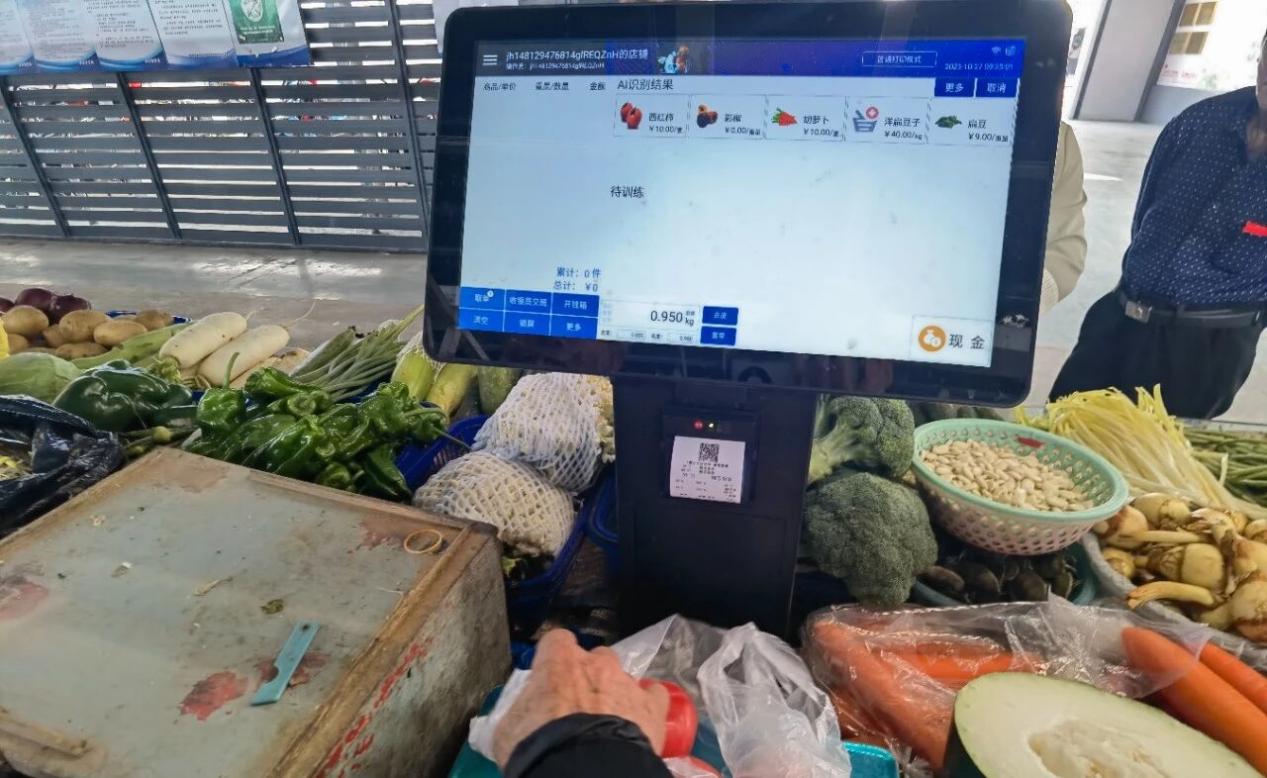
Photo shows an AI-assisted weighing scale in the market.
From pursuing ecological-island development to getting local farm produce out to wider markets relying on its green credentials, this "breathing" market vividly embodies how green development has become part of residents' lives in Chongming.
On the island, the environment that has been carefully protected for years is being transformed into quality products, thriving businesses, and increasingly promising lives for local residents.
(Photos from the official account of the media center of Chongming district on WeChat)

Tel:86-10-65363107, 86-10-65368220, 86-10-65363106
 Scan the QR Code
 Follow Us